
Why Infant Leukemia Needs Its Own Research, Not Adult Leftovers
Most people hear "childhood leukemia" and picture one disease with one prognosis. I did too, before Wesley was diagnosed at 11 weeks old.
Here's what I learned instead: childhood leukemia isn't one disease. And infant leukemia, specifically, is its own category with its own biology, its own history, and its own urgent need for research funding.
⸻
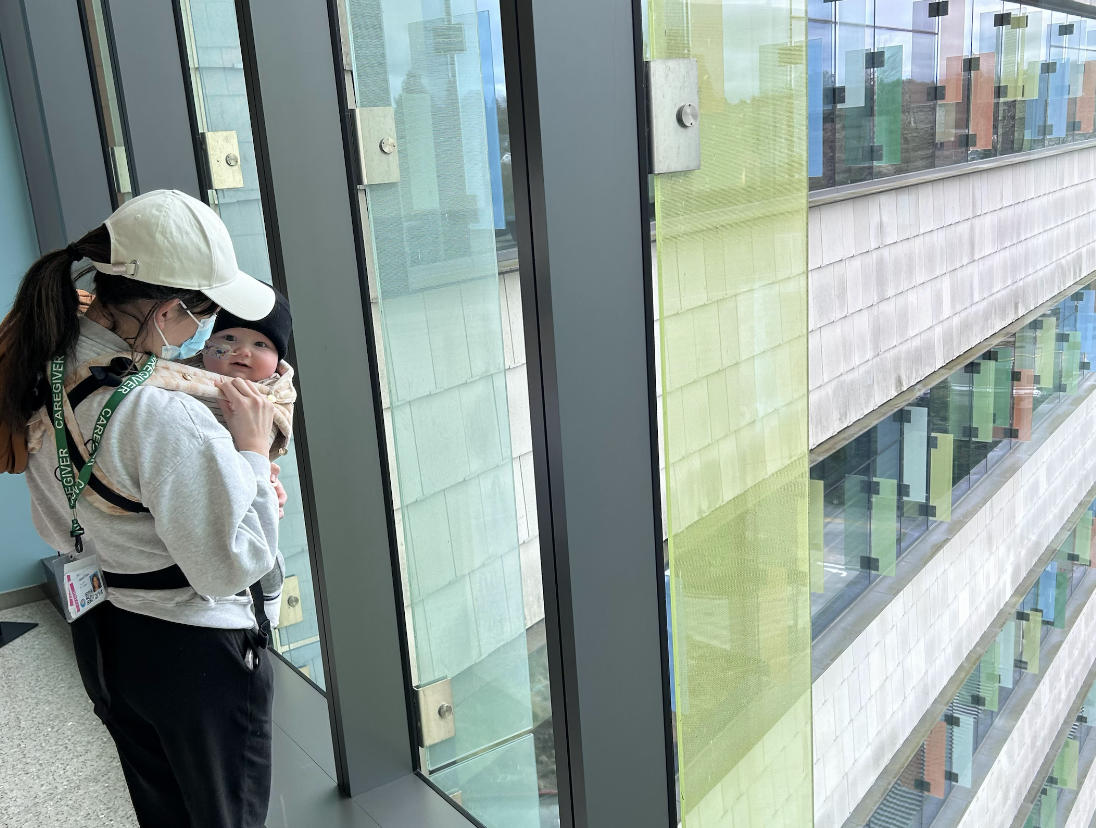
Wesley and his mother, Akimi, taking their daily hospital walk living in-patient at Seattle Children’s Hospital.
What makes infant leukemia different
Wesley was diagnosed with Infant Acute Lymphoblastic Leukemia with a KMT2A rearrangement. Infants under one year old make up only a small percentage of all ALL diagnoses. But their leukemia doesn't behave like the leukemia doctors see in older children.
A few things drive that difference:
Younger age at diagnosis is itself a risk factor
Very high white blood cell counts at diagnosis are more common in infants
The underlying biology of KMT2A-rearranged leukemia is more aggressive than most pediatric leukemias
When oncologists classify a case as "high risk," this is what they mean. Not a scary label added for emphasis. A description of how difficult that specific cancer has historically been to treat.
⸻
What the numbers actually say
Published research on infant KMT2A-rearranged ALL has historically reported something like 45 to 60 percent overall survival, and 35 to 45 percent event-free survival. Those numbers mean a lot of families received the best treatment available and still faced relapse or loss.
I share those numbers carefully. They're not meant to be frightening for the sake of it. They're meant to explain why "our son survived" isn't a small thing in our family's history, and why we can't treat research funding as optional.
⸻
Why treating this like adult cancer research doesn't work
Most pediatric cancers are rare compared to adult cancers, which means they historically receive a smaller share of overall cancer research funding. Rare diseases attract fewer clinical trials. Fewer trials mean slower progress.
On top of that, children aren't small adults. A treatment developed and tested for adult bodies doesn't automatically translate to infants who are still developing. Kids like Wesley need therapies designed for their biology, not adapted from what works in someone three or four decades older.
That's the gap Dunn4Good exists to help close.
⸻
Where progress is actually happening
This isn't a hopeless picture. Twenty years ago, Wesley may not have had access to the treatment protocol he received. Research over the last two decades has already changed outcomes for infants with high-risk leukemia.
Newer approaches, including immunotherapy, are beginning to show promise for some of the highest-risk cases. These treatments exist because researchers had the funding to run the trials that proved they worked. Every child who benefits from a treatment today is benefiting from research that someone chose to fund years earlier.
That's the cycle we're trying to keep moving. Today's research becomes tomorrow's standard of care, but only if it gets funded today.
⸻
What your support actually does
When you buy a ticket, place a bid, or make a gift to Dunn4Good, that money goes to Seattle Children's High-Risk Leukemia Research Program. It funds the kind of research described above: treatments designed specifically for high-risk pediatric leukemia, studies aimed at improving survival for the hardest cases, and work on reducing the long-term side effects that come with today's harshest treatments.
You may never meet a child with infant leukemia. Most people won't. But the research your support funds doesn't just help one child. It helps every child diagnosed after them.
That's the whole reason we do this.
With gratitude, The Dunn Family + Dunn4Good Guild 🎗️